
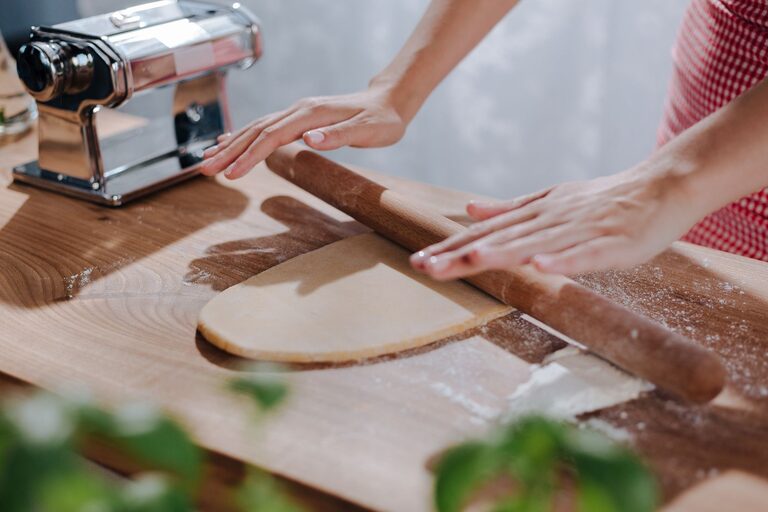
Making pasta at home can be both relaxing and rewarding, but the right tools can make the process much easier. New kitchen gadgets and updated versions of classic equipment help home cooks mix dough more efficiently, create consistent shapes, and spend less time cleaning up.
Whether you are making pasta for the first time or already enjoy preparing it regularly, a few useful tools can improve the experience from start to finish. Here are some of the latest and most practical additions for a more enjoyable homemade pasta routine.
Electric Pasta Makers for Faster Preparation
Traditional pasta making often begins with a pile of flour and a well in the center for the eggs. This method is simple, but mixing the dough by hand can take time and effort. Electric pasta makers now combine mixing, kneading, and shaping in one countertop appliance.
Many models allow you to add flour and liquid to a mixing chamber. The machine kneads the ingredients and then pushes the dough through a selected shaping disc. Depending on the model, you may be able to make spaghetti, fettuccine, penne, or other shapes.
Why They Are Useful
Electric pasta makers are especially helpful when:
– You want fresh pasta on busy weeknights
– You prefer a more hands-off process
– You are making pasta for several people
– You want consistent shapes and portion sizes
– You find hand kneading tiring
The main advantage is convenience. These machines can reduce the amount of manual work while still allowing you to adjust the ingredients and experiment with different flavors.
Compact Pasta Rollers
A pasta roller remains one of the most useful tools for homemade noodles. Newer compact models are designed for smaller kitchens and are often easier to store than older, larger machines.
Hand-crank rollers typically include adjustable settings that let you gradually make the dough thinner. Some also include cutting attachments for common shapes such as spaghetti and linguine. Electric rollers offer similar functions with less manual effort.
For the best results, begin with a thicker setting and pass the dough through several times. Reduce the thickness gradually instead of trying to create a very thin sheet in one step. This helps prevent tearing and produces a more even texture.
Hand Crank or Electric?
A hand-crank roller is often affordable, durable, and easy to understand. It also gives you direct control over the dough. An electric model may be more convenient if you make pasta often or want to keep both hands free while feeding the dough through the rollers.
Before buying, check:
– The number of thickness settings
– Whether the cutter attachments are included
– How securely the machine clamps to a counter
– How easy it is to clean
– Whether replacement parts are available
Pasta Cutter Wheels and Adjustable Slicers
A simple cutter wheel can make a noticeable difference when shaping pasta. Straight and fluted wheels create clean edges for lasagna sheets, pappardelle, ravioli, and decorative noodles.
Adjustable slicers are another useful option. They can cut several strips at once and may allow you to change the width of each noodle. This is helpful when you want more consistent pasta or need to prepare a large batch quickly.
Choose tools with comfortable handles and sharp, smooth cutting wheels. Stainless steel versions are generally easy to wipe clean and can last for years with proper care.
Ravioli Makers and Stamping Tools
Filled pasta is enjoyable to prepare, but shaping individual ravioli by hand can take time. Ravioli trays, stamps, and molds help create uniform pieces with neatly sealed edges.
A ravioli tray usually lets you lay one sheet of dough over a set of cavities. Add a small amount of filling, cover it with another sheet, and press the top layer into place. After cutting, you can lift out several ravioli at once.
Individual ravioli stamps are better for cooks who want more flexibility with shapes and sizes. Round, square, and specialty designs can make homemade pasta look more polished without requiring advanced techniques.
Tips for Better Ravioli
– Avoid overfilling the pockets
– Press out extra air before sealing
– Lightly moisten the edges if needed
– Dust the mold with flour or semolina
– Let the shaped pasta rest briefly before cooking
A small amount of filling is usually easier to seal and less likely to escape during cooking.
Pasta Drying Racks for Better Organization
Fresh pasta needs a place to rest before cooking or storing. A pasta drying rack keeps strands separated and allows air to circulate around them.
Modern racks come in several forms. Freestanding wooden racks provide plenty of space, while foldable plastic or metal versions are easier to store. Some compact designs sit on a countertop and include removable arms.
If you do not have a drying rack, you can use a clean baking sheet or hang pasta over the backs of wooden spoons. However, a dedicated rack makes the process more organized and reduces the chance of noodles sticking together.
Look for a rack that folds flat or has removable parts if cabinet space is limited.
Digital Kitchen Scales
A digital kitchen scale may not seem like a pasta-specific tool, but it can improve consistency. Measuring flour by volume can produce different results depending on how tightly it is packed. Weighing ingredients gives you a more reliable starting point.
A scale is also helpful when dividing dough into equal portions. Even pieces roll out more evenly and cook at a similar rate.
Choose a model with:
– A clear display
– A tare function
– A flat surface
– Easy-to-clean controls
– Measurements in grams and ounces
The tare function allows you to reset the scale after placing a bowl on it, making it simple to measure several ingredients in one container.
Bench Scrapers and Dough Cutters
A bench scraper is a small, inexpensive tool with many uses. It can gather flour, divide dough, lift sticky pieces from the counter, and clean the work surface after preparation.
Some newer versions include measurement markings, which make it easier to divide dough evenly. Stainless steel scrapers are durable, while plastic models are gentle on delicate countertops.
A scraper also helps reduce the amount of flour you need to use. Instead of adding extra flour whenever the dough sticks, you can lift and move it with less mess.
Pasta Drying and Storage Solutions
If you make more pasta than you plan to cook immediately, proper storage tools can help protect its texture. Airtight containers are useful for short-term storage, while reusable freezer bags work well for longer periods.
Silicone freezer trays can help freeze filled pasta in separate portions before transferring it to a storage bag. This prevents the pieces from sticking together and makes it easier to cook only what you need.
For dried pasta, stackable containers keep ingredients organized and protected from moisture. Labeling containers with the pasta shape and preparation date can also make meal planning easier.
Choosing the Right Tools for Your Kitchen
You do not need every pasta tool to get started. A rolling pin, bench scraper, sharp knife, and clean work surface can produce excellent results. Add specialized equipment as your interest grows.
For beginners, a digital scale, pasta roller, drying rack, and cutter wheel offer a practical combination. Experienced cooks may appreciate an electric pasta maker, ravioli mold, or additional cutting attachments.
The best tools are the ones that fit your cooking habits, storage space, and budget. With a few thoughtful additions, homemade pasta can become simpler, more organized, and more enjoyable from the first mix to the final bite.