
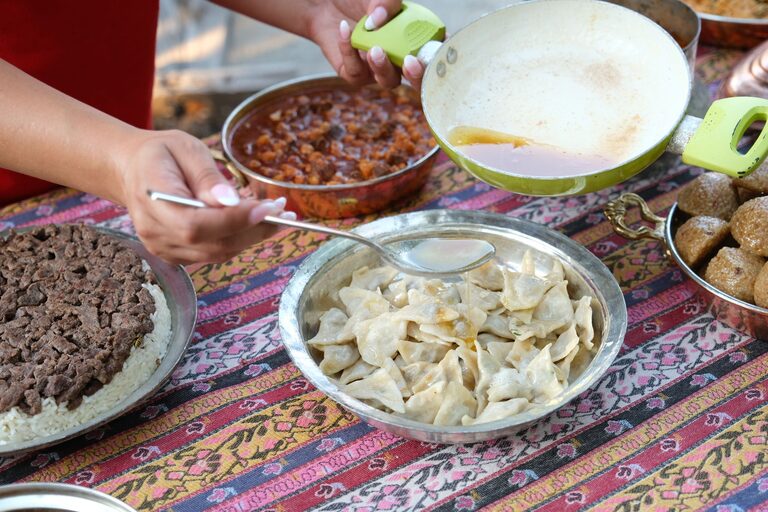
Food can reveal a great deal about a place. It reflects local landscapes, seasonal ingredients, family customs, and the many influences that shape a community. Culinary travel clubs are helping travelers experience these connections in a more personal way by turning meals and cooking activities into shared cultural adventures.
Rather than simply visiting restaurants, club members may shop at a neighborhood market, learn a traditional recipe from a local cook, visit a farm, or join a food festival. These experiences create opportunities to understand how regional dishes are made, why certain ingredients matter, and how food traditions continue to change.
What Are Culinary Travel Clubs?
Culinary travel clubs are groups that organize trips and activities centered on food. Some operate as membership communities, while others offer scheduled tours that anyone can join. Their programs may range from weekend excursions to international journeys lasting several weeks.
A typical club may arrange:
– Guided food walks through historic neighborhoods
– Cooking lessons with local instructors
– Visits to farms, bakeries, fisheries, or food producers
– Market tours followed by group meals
– Tastings of regional specialties
– Conversations with cooks, growers, and food historians
– Visits to food festivals and seasonal celebrations
The main difference between a culinary travel club and a standard food tour is often the depth of the experience. Clubs tend to focus on participation, connection, and learning rather than only sampling prepared dishes.
Learning Through Local Ingredients
Regional food traditions often begin with the ingredients available nearby. A coastal area may have a long history of seafood dishes, while an inland region may rely more heavily on grains, legumes, orchard fruit, or preserved foods. Climate, soil, trade routes, and farming practices can all influence local cooking.
Culinary travel clubs often introduce members to these ingredients at their source. A group might visit a vegetable farm during harvest season, walk through an herb garden, or meet a producer who explains how a regional product is made.
These visits help travelers understand details that may not be obvious from a restaurant menu, such as:
– Why a particular ingredient is used during one season
– How local weather affects crops
– Which foods are traditionally preserved for later use
– How older farming methods compare with current practices
– Why certain flavors are associated with a specific area
This approach adds context to every meal. A simple dish can become more meaningful when travelers know where its ingredients came from and how local people have used them over time.
Cooking as a Shared Experience
Cooking classes are among the most popular activities offered by culinary travel clubs. They give travelers a chance to learn directly from people who prepare regional dishes in homes, community kitchens, restaurants, or schools.
A class may focus on a single specialty, such as handmade pasta, filled pastries, fermented vegetables, or a traditional stew. Other sessions may introduce a complete meal, including shopping, preparation, cooking, and dining together.
The social side of these classes is just as important as the recipe. Participants often work in small groups, share techniques, and compare food customs from their own backgrounds. Even when club members do not speak the local language fluently, cooking provides a practical way to communicate.
Good culinary programs also explain the story behind a dish. Members may learn whether a recipe is connected to a holiday, a particular region, a family tradition, or a period of local history. This turns cooking from a demonstration into a cultural exchange.
Exploring Markets and Everyday Food Life
Markets offer another window into regional food traditions. They show what people buy regularly, which products are in season, and how food is displayed and sold. A market visit can also introduce travelers to snacks and ingredients they might not notice in a formal dining setting.
Culinary travel clubs may arrange guided market visits where a local host explains unfamiliar foods and helps members choose ingredients for a later meal. Travelers might learn how to identify varieties of fruit, select seafood, or recognize spices commonly used in local recipes.
Street food is often part of these tours as well. Small food stalls and neighborhood vendors can reveal how traditional dishes are adapted for busy daily life. A club may encourage members to try several small portions rather than one large meal, making it possible to sample a wider range of flavors.
These activities also support local businesses when they are organized thoughtfully. Spending with independent vendors, family-run shops, and small producers can help keep regional food networks visible and active.
Seasonal Traditions and Food Celebrations
Many food customs are connected to the calendar. Harvests, religious observances, public holidays, and family gatherings can all shape what people cook and eat. Culinary travel clubs often plan trips around these seasonal events.
Members may participate in a harvest meal, watch a traditional baking process, or attend a local food festival. These occasions allow travelers to see how food brings communities together. They also show that regional cuisine is not fixed. Recipes and celebrations may change as people move, new ingredients become available, and younger generations add their own ideas.
Seasonal travel requires flexibility. Certain dishes or activities may only be available for a short time, and weather can affect outdoor events or farm visits. Clubs that plan carefully explain these factors in advance so members can enjoy the experience without expecting every activity to follow a rigid schedule.
Practicing Respectful Food Tourism
Food is closely connected to identity and family life, so respectful behavior is essential. Culinary travel clubs can help members become more thoughtful visitors by setting clear expectations before a trip.
Helpful practices include:
– Asking before taking photographs of people, homes, or food preparation
– Listening to local hosts without treating traditions as entertainment
– Avoiding waste and ordering only what can reasonably be eaten
– Paying fair prices for classes, tours, and handmade products
– Following local dining customs
– Being open about allergies and dietary needs before activities begin
– Choosing experiences that share benefits with local communities
Responsible clubs also avoid presenting one recipe or cooking style as the only “authentic” version. Food traditions often vary between households, villages, and generations. A good guide explains these differences rather than making broad claims.
Building Community Through Travel
One of the strongest features of culinary travel clubs is the sense of community they create among members. Sharing a meal gives people time to talk, compare experiences, and form friendships. This can be especially valuable for travelers who prefer group activities but still want meaningful local encounters.
Many clubs continue the connection after a trip. Members may organize recipe exchanges, host regional dinner nights, or invite a guest cook to lead a workshop at home. In this way, a journey can influence everyday cooking long after travelers return.
The club model also supports continued learning. Members can choose trips based on different regions, ingredients, or culinary skills. Over time, they build a broader understanding of how food traditions develop and connect across places.
How to Choose a Culinary Travel Club
Travelers considering a culinary club should review the program carefully. Useful questions include:
- Who leads the activities, and what is their connection to the region?
- How much time is spent with local cooks, producers, or community groups?
- Are meals and activities suitable for different skill levels?
- How are dietary restrictions handled?
- Is the group size small enough for personal interaction?
- What portion of the cost goes to local partners?
- Does the itinerary allow time for relaxed meals and conversation?
It is also helpful to read recent reviews and look for clear information about transportation, accessibility, schedules, and included costs. A well-organized club should describe its activities honestly and leave room for local circumstances.
A More Meaningful Way to Taste a Place
Culinary travel clubs offer more than a list of dishes to try. They connect food with people, places, seasons, and shared memories. By visiting markets, meeting producers, learning recipes, and eating together, travelers gain a fuller picture of regional food traditions.
The most rewarding experiences are often simple: shaping dough with a local teacher, tasting fruit at a farm, or sharing a long meal with fellow travelers. These moments encourage curiosity and respect while showing how food continues to bring communities together.