
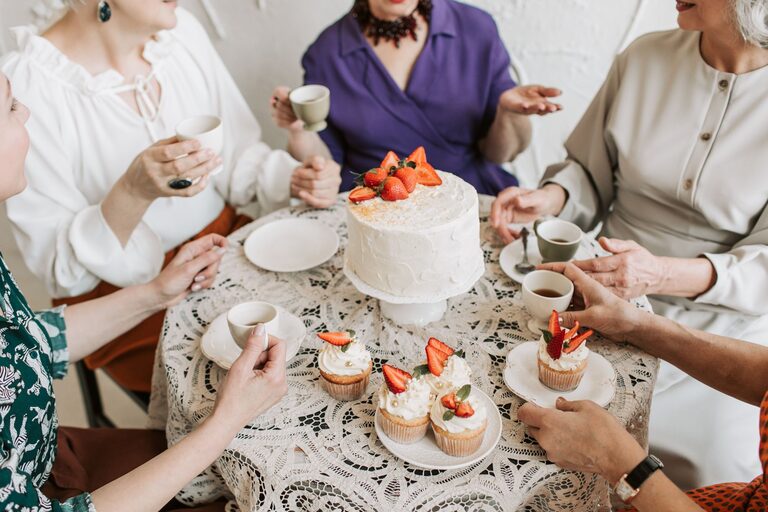
Afternoon tea gatherings are becoming a popular choice among older hobbyists who enjoy combining conversation, creativity, and shared interests. These events can be as simple as a few friends meeting at home or as organized as a themed gathering hosted by a club, library, craft group, or community center.
Unlike a formal event that requires extensive planning, afternoon tea offers a flexible format. Guests can enjoy refreshments, display handmade items, discuss a shared hobby, or simply spend time together in a relaxed setting.
A Simple Format With Broad Appeal
Afternoon tea has a familiar structure: small foods, hot drinks, comfortable seating, and time to talk. This straightforward format makes it easy to adapt for different groups and interests.
A gathering might include:
– Tea, coffee, or non-caffeinated drinks
– Finger sandwiches, scones, fruit, or small desserts
– A short craft demonstration
– A book, gardening, photography, or cooking discussion
– A display of handmade projects or collections
– Light games, quizzes, or conversation prompts
The event does not need to follow strict traditions. Hosts can create a menu and schedule that suit the group. Some gatherings may focus on classic tea service, while others may have a seasonal, regional, or hobby-related theme.
Shared Interests Create Natural Conversation
Many older hobbyists already belong to groups centered on activities such as quilting, gardening, painting, collecting, writing, cooking, or local history. Afternoon tea gives these groups another way to enjoy their common interests.
For example, a gardening club might host a spring tea with floral decorations and a seed-swapping table. A book group could plan a literary tea inspired by a favorite author or period. A craft circle might display finished projects while guests share techniques and ideas.
A shared activity helps conversation flow naturally. Guests do not have to arrive with a long list of topics because the hobby provides an easy starting point. New members may also find it easier to join discussions when the gathering has a clear theme.
A Welcoming Alternative to Large Events
Large festivals, busy restaurants, and crowded social events are not appealing to everyone. Afternoon tea gatherings offer a quieter alternative without being overly formal.
The smaller scale can make it easier for guests to:
– Hear conversations clearly
– Meet everyone in the group
– Take part at their own pace
– Enjoy a familiar environment
– Focus on one activity or topic
Home gatherings, club rooms, and community spaces can all work well. The key is to choose a location with comfortable seating, enough table space, and easy access to refreshments.
A relaxed setting also supports a more personal atmosphere. Instead of moving through a busy schedule, guests can enjoy a slower afternoon with room for conversation and shared activities.
The Appeal of Tradition and Personal Style
Tea gatherings often combine traditional details with modern personal touches. Tea sets, cloth napkins, tiered trays, and small plates can create a sense of occasion. At the same time, hosts can use favorite mugs, handmade table decorations, or seasonal dishes.
Older hobbyists may appreciate the connection to familiar customs, especially when those customs remind them of family occasions, travel, or earlier social gatherings. Others may enjoy updating the format with new flavors, creative table settings, or an unusual theme.
The result can feel special without requiring expensive equipment. A simple table arrangement, fresh flowers, and carefully chosen refreshments are often enough to create an inviting setting.
A Chance to Share Skills
Many hobbyists have years of experience and enjoy passing along what they have learned. Afternoon tea gatherings can include informal demonstrations or skill-sharing sessions.
A guest might show how to:
– Arrange flowers
– Decorate cookies
– Fold napkins
– Start a small herb garden
– Repair or preserve textiles
– Paint a simple design
– Make a traditional family recipe
These activities can be planned as short demonstrations rather than full classes. Guests can ask questions, compare methods, and exchange ideas. The focus remains on enjoyment and conversation rather than performance.
Skill-sharing can also encourage cooperation between generations. A local group might invite younger hobbyists, family members, or students to join a project, creating an opportunity for different perspectives and experiences.
Themes Keep Gatherings Fresh
A regular tea group can remain interesting by using a different theme for each meeting. Themes provide inspiration for the menu, decorations, activities, and dress without making the event complicated.
Popular ideas include:
Seasonal Teas
Spring flowers, summer fruit, autumn harvests, and winter baking can all inspire a gathering. Seasonal ingredients and decorations are usually easy to find and help create a clear sense of occasion.
Travel-Inspired Teas
Guests can explore tea customs, snacks, music, or crafts from a particular country or region. The theme can also connect with members’ travel memories and personal stories.
Hobby Showcases
Each guest can bring one project, object, photograph, or book related to the group’s shared interest. A short show-and-tell session can become the main activity.
Special Occasion Teas
Birthdays, anniversaries, club milestones, and community celebrations provide natural reasons to gather. A special occasion can also help attract new members who may be interested in joining the group.
Planning a Comfortable Gathering
Good planning helps guests feel welcome and allows the host to enjoy the event too. The format can remain simple, but a few details deserve attention.
Before the gathering, hosts should consider:
– The number of guests
– Seating and table space
– Dietary preferences shared in advance
– Drink choices beyond traditional tea
– Parking or public transportation
– Restroom access
– The length of the event
– Whether guests should bring food or supplies
A two-hour gathering is often long enough for refreshments, conversation, and one activity. If the group includes several demonstrations or games, the event may need more time.
It is also helpful to avoid an overly crowded table. Guests need room for plates, cups, craft materials, or personal items. Clear labels for different foods and drinks can make serving easier.
Making New Connections Through Shared Hobbies
The growing popularity of afternoon tea gatherings reflects a broader interest in social activities that feel personal, creative, and manageable. Older hobbyists often bring valuable knowledge, strong interests, and a desire to take part in meaningful group activities.
Tea gatherings meet these preferences by offering a balance of structure and freedom. Guests know what to expect, but they can still choose how much to talk, create, taste, or participate.
Whether hosted by a longtime club or a small group of neighbors, an afternoon tea can turn an ordinary day into a memorable occasion. With a welcoming table, a shared interest, and time to connect, even a simple gathering can become a valued tradition.