
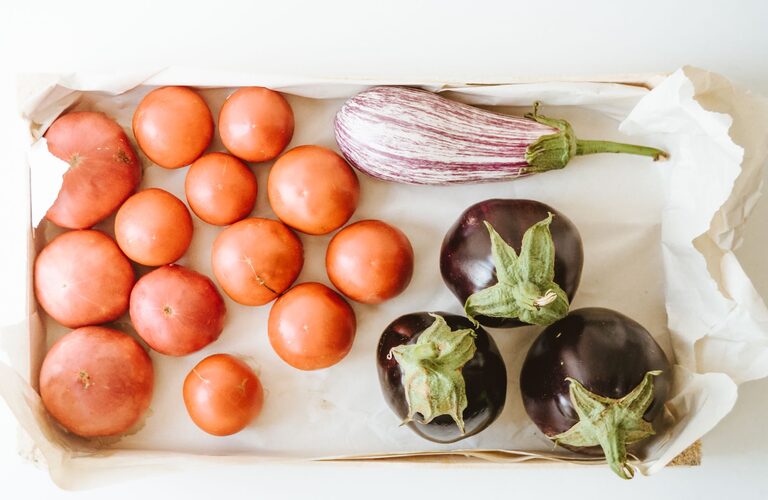
A trip to the farmers market can inspire an entire weekend of simple meals. Instead of starting with a strict recipe, begin with what looks freshest and most appealing. A basket of tomatoes, a bunch of herbs, a loaf of bread, or a few ears of corn can become the foundation for breakfast, lunch, dinner, and even dessert.
Seasonal ingredients often need very little preparation. Their natural flavor can shine through with a few basic additions, such as olive oil, lemon, garlic, cheese, or fresh herbs. The ideas below can help you turn your market finds into relaxed meals without spending all day in the kitchen.
Start With a Flexible Market List
Before heading to the market, think in terms of meal components rather than exact recipes. This makes it easier to adapt to what is available and avoid buying more than you can use.
A flexible shopping list might include:
– Two or three seasonal vegetables
– One fruit for breakfast or dessert
– Fresh herbs
– Eggs or another simple protein
– A loaf of bread or tortillas
– A grain, such as rice, farro, or couscous
– Cheese, yogurt, or another topping
– A pantry staple, such as beans or pasta
Choose ingredients that can work in more than one meal. For example, a bunch of spinach can be added to eggs in the morning, folded into pasta for dinner, or blended into a simple sauce. Fresh herbs can brighten salads, sandwiches, roasted vegetables, and grain bowls.
Saturday Breakfast: Market Vegetable Frittata
Eggs are one of the easiest ways to use a small collection of vegetables. A frittata is especially useful because it can be made with nearly any combination of greens, onions, peppers, mushrooms, or herbs.
Start by slicing the vegetables into bite-size pieces. Cook them in an oven-safe skillet with a little oil until tender. Whisk eggs with salt, pepper, and a splash of milk or water, then pour the mixture over the vegetables. Add a small amount of cheese if desired.
Cook the frittata gently on the stovetop until the edges begin to set. Finish it in the oven until the center is firm. Serve warm with toasted market bread and sliced fruit.
Good seasonal combinations include:
– Zucchini, basil, and goat cheese
– Potatoes, green onions, and cheddar
– Mushrooms, spinach, and fresh thyme
– Tomatoes, corn, and parsley
Leftover frittata can be stored for another meal and served cold or gently reheated.
A Fresh Lunch: Tomato and Bread Salad
When tomatoes are at their best, they can become the main ingredient in a satisfying lunch. A simple tomato and bread salad uses toasted or day-old bread to soak up the juices from ripe tomatoes.
Cut tomatoes into large pieces and place them in a bowl with torn bread, sliced cucumber, and fresh herbs. Basil is a classic choice, but parsley, mint, or dill can also work well. Toss everything with olive oil, vinegar or lemon juice, salt, and pepper.
Let the salad sit for several minutes before serving. This gives the bread time to absorb the dressing while the tomatoes release their juices. Add white beans, mozzarella, or cooked chicken if you want a more filling dish.
This type of salad is easy to adjust based on the market. Use peaches instead of some of the tomatoes for a sweeter version, or add roasted peppers for extra flavor.
A Simple Afternoon Snack: Fruit, Yogurt, and Toasted Toppings
Seasonal fruit can become a quick snack or light dessert with very little preparation. Slice peaches, plums, berries, apples, or pears and serve them with plain yogurt.
For texture, add toasted nuts, seeds, granola, or a spoonful of oats. A drizzle of honey or maple syrup can add sweetness, although ripe fruit may not need it.
You can also turn the same ingredients into toast. Spread yogurt, ricotta, or cream cheese on toasted bread, then top it with sliced fruit, chopped herbs, and a small amount of honey. Try peaches with basil, pears with thyme, or berries with mint.
Saturday Dinner: One Pan of Roasted Vegetables and Grains
A sheet pan of roasted vegetables is one of the easiest ways to make a colorful weekend dinner. Choose vegetables that cook at a similar speed, or add quicker-cooking ingredients later.
Heartier vegetables, such as potatoes, carrots, beets, and winter squash, usually need more time. Tender vegetables, such as zucchini, tomatoes, green beans, and peppers, can be added during the second half of cooking.
Toss the vegetables with oil, salt, pepper, and a few seasonings. Roast them until browned and tender. Serve them over rice, farro, couscous, or another grain. Add beans, a fried egg, grilled chicken, or crumbled cheese for extra substance.
Finish the meal with a simple sauce:
– Yogurt mixed with lemon and herbs
– Olive oil blended with garlic and parsley
– A quick vinaigrette with mustard
– Hummus thinned with a little water
– Salsa made with chopped tomatoes and onions
Make extra roasted vegetables for Sunday lunch. They can be added to sandwiches, wraps, salads, or pasta.
Sunday Breakfast: Fruit-Filled Pancakes or Oatmeal
Farmers market fruit can bring variety to a simple Sunday breakfast. Stir berries, chopped apples, or sliced bananas into pancake batter, or use the fruit as a topping.
For a faster option, prepare oatmeal with milk or water and add warm fruit, nuts, cinnamon, and yogurt. Apples and pears can be gently cooked in a skillet with a little butter or oil until soft. Berries can be warmed briefly until they begin to release their juices.
If you have extra herbs, use them in savory breakfasts instead. Sauté greens with garlic and serve them over toast with eggs. Fresh herbs also make a simple potato hash taste more special.
Sunday Lunch: Market Vegetable Sandwiches
A good sandwich can showcase several market ingredients at once. Start with sturdy bread and add a spread, a cooked or raw vegetable, and something creamy or tangy.
Try combinations such as:
– Roasted peppers, mozzarella, and basil
– Grilled zucchini, hummus, and greens
– Sliced tomatoes, cheddar, and fresh herbs
– Cucumber, yogurt spread, and dill
– Roasted eggplant, feta, and lemon
To prevent the bread from becoming soggy, spread a thin layer of butter, mayonnaise, hummus, or cheese before adding juicy vegetables. Press the sandwich in a skillet if you want a crisp exterior.
Serve it with leftover salad, fruit, or a small bowl of soup.
An Easy Weekend Dessert: Fruit Crisp
A fruit crisp is a practical way to use ripe or slightly soft fruit. Apples, peaches, plums, berries, and pears can all work well.
Place sliced fruit in a baking dish and toss it with a little sugar, lemon juice, and flour or cornstarch. For the topping, combine oats, flour, nuts, butter, and brown sugar. Sprinkle the mixture over the fruit and bake until the top is golden and the fruit is bubbling.
The crisp can be served warm with yogurt, whipped cream, or ice cream. It is also a useful make-ahead dessert because it can be prepared earlier in the day and warmed before serving.
Make the Most of Your Market Haul
The easiest weekend meals share ingredients across several dishes. Roast extra vegetables, wash herbs when you get home, and keep cooked grains ready for quick bowls and salads.
A few simple habits can help:
– Store leafy greens with a clean towel to absorb excess moisture.
– Keep delicate berries chilled and unwashed until needed.
– Use tender herbs early in the weekend.
– Save sturdy vegetables for later meals.
– Freeze extra fruit for smoothies or baking.
– Turn vegetable scraps into a simple cooking stock when practical.
The goal is not to create complicated recipes. It is to let fresh, seasonal ingredients guide a few flexible meals. With a thoughtful market basket and a handful of kitchen basics, one weekend’s finds can become a varied, colorful menu with very little fuss.