
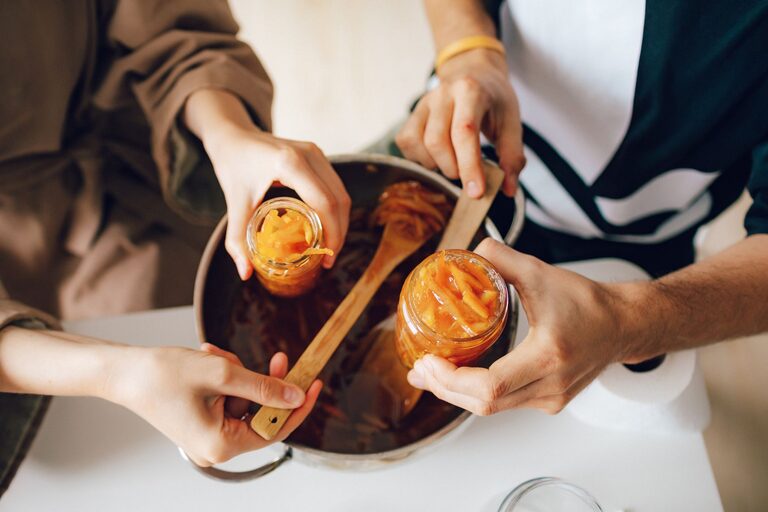
Community canning events bring people together around a simple idea: good food is even better when it is made and shared with others. During harvest season, home cooks gather in community kitchens, gardens, church halls, farms, and neighborhood centers to preserve fruits, vegetables, sauces, and pickles.
These events are more than group cooking sessions. They are opportunities to learn practical skills, use local produce, reduce food waste, and build connections between people of different ages and experience levels.
What Is a Community Canning Event?
A community canning event is an organized gathering where participants prepare and preserve food together. Some events focus on one seasonal ingredient, such as tomatoes, apples, peaches, or green beans. Others offer several stations for different recipes and techniques.
The event may be hosted by:
– A community center
– A farmers market
– A local garden club
– A cooperative extension program
– A neighborhood association
– A school or church
– A shared-use or commercial kitchen
– A farm or community garden
Participants often bring produce, jars, kitchen towels, or recipes. Organizers usually provide equipment, workspaces, instructions, and a schedule.
The size can vary from a small group of neighbors to a large public workshop. Regardless of the format, the goal is to make preserving approachable and enjoyable.
Why These Events Matter
They Make Food Preservation Less Intimidating
Canning can seem complicated when you are learning on your own. A community event allows beginners to watch experienced cooks, ask questions, and practice each step with guidance.
Instead of reading about sterilizing jars, filling containers, or checking seals in isolation, participants can see the process from start to finish. Friendly support can make the experience feel manageable.
They Share Seasonal Abundance
Gardens and farms often produce more food than one household can use at once. Community canning events offer a practical way to preserve that abundance.
A group may turn surplus tomatoes into salsa, extra berries into jam, or a large apple harvest into applesauce. Some events also accept donated produce and distribute finished jars to community food programs or participating households.
They Build Local Connections
Cooking side by side creates natural opportunities for conversation. People trade family recipes, compare gardening experiences, and learn about ingredients grown nearby.
These casual connections can strengthen neighborhoods. A person who attends for the first time may leave with new cooking partners, gardening tips, or an invitation to another local event.
They Preserve Knowledge
Many food preservation techniques have been passed down through families. Community gatherings help keep these skills active while making room for updated information and new approaches.
An older cook may share a traditional jam recipe, while a newer home canner may introduce a helpful labeling system or a creative flavor combination. The result is an exchange of knowledge rather than a one-way lesson.
Common Activities at a Canning Event
A well-planned event may include several stations or stages. Organizers often divide participants into small teams so everyone has a chance to take part.
Produce Preparation
The first step is washing, sorting, peeling, trimming, or chopping ingredients. This stage is ideal for conversation and teamwork.
Organizers should provide clean work surfaces, sharp knives, cutting boards, waste containers, and clear instructions. Produce should be inspected carefully, and damaged or spoiled items should be removed.
Recipe Demonstrations
A short demonstration can explain the recipe, equipment, and workflow before cooking begins. This is especially useful for beginners.
Demonstrations may cover:
– How to prepare jars and lids
– How to measure ingredients accurately
– How to fill jars consistently
– How to remove air bubbles when appropriate
– How to process jars using the correct method
– How to cool, check, label, and store finished jars
For safety, participants should use current, tested recipes from reliable sources. Recipes should not be changed casually, especially when the balance of acidity, liquid, and processing time affects safe preservation.
Cooking and Processing
Once ingredients are prepared, teams cook the food and fill jars according to the selected recipe. Some foods are processed in a boiling water canner, while others require a pressure canner.
The correct method depends on the food and recipe. High-acid foods, such as many fruits and properly acidified tomato products, are commonly processed in a boiling water canner. Low-acid foods, including many vegetables, generally require pressure canning.
A knowledgeable organizer should explain which equipment is needed and supervise each stage. Participants should never guess at processing times or methods.
Labeling and Packing
Every jar should be labeled with the product name and date. Labels can also include the batch number, recipe source, or suggested use.
Once jars have cooled and seals have been checked, they should be stored in a cool, dark, dry place. Jars with broken seals or signs of spoilage should be handled according to food safety guidance rather than served.
How to Plan a Successful Event
Choose a Clear Theme
A focused event is easier to organize than one with too many recipes. Consider a theme such as:
– Tomato preservation day
– Summer fruit jam workshop
– Pickle-making afternoon
– Community applesauce project
– Pantry basics for beginners
A clear theme helps organizers estimate ingredients, equipment, workspace, and time.
Use Reliable Recipes
Food safety should be central to every event. Choose recipes from trusted university extension programs, government food safety resources, or recognized home preservation organizations.
Avoid relying on untested online recipes or changing key ingredients without expert guidance. Organizers should provide printed instructions and explain why each step matters.
Prepare Equipment in Advance
Make a checklist that includes:
– Clean jars and compatible lids
– Large pots or approved canners
– Jar lifters and funnels
– Cutting boards and knives
– Measuring cups and spoons
– Towels and heat-safe gloves
– Labels and markers
– Sanitizing and cleaning supplies
– Aprons or protective clothing
It is also helpful to have extra tools available. A missing funnel or jar lifter can slow down an entire group.
Assign Simple Roles
Participants can rotate through different tasks, including:
– Washing and sorting produce
– Preparing ingredients
– Measuring
– Stirring
– Filling jars
– Cleaning work surfaces
– Labeling finished jars
– Recording batch details
Clear roles keep the event organized and give everyone a way to contribute.
Making the Event Welcoming
A successful gathering should feel accessible to both beginners and experienced cooks. Use plain language, explain unfamiliar terms, and invite questions throughout the event.
Consider offering:
– A short introduction for first-time participants
– Large-print recipe sheets
– Seating for people who need a break
– Child-friendly observation areas where appropriate
– Translation support when possible
– A small tasting table for finished or previously prepared foods
– Take-home guides for continuing at home
It is also useful to ask participants about allergies, dietary preferences, and accessibility needs before the event.
Beyond the Jars
Community canning events can lead to other neighborhood projects. Participants may organize seed exchanges, shared gardens, recipe clubs, or seasonal cooking classes.
Some groups create a community cookbook featuring recipes used during the event. Others host a “pantry swap,” where participants exchange labeled jars and share serving ideas.
The jars may also become thoughtful gifts. A jar of fruit spread, pickles, or applesauce can carry the story of the harvest and the people who helped prepare it.
A Tradition Worth Starting
Community canning events combine practical skills with the pleasure of working together. They help people make good use of seasonal food, learn from one another, and create lasting local traditions.
Whether the gathering is held in a professional kitchen or a neighbor’s backyard, careful planning and reliable recipes can make the experience safe, welcoming, and rewarding. The finished jars are useful, but the strongest result may be the community built around them.