
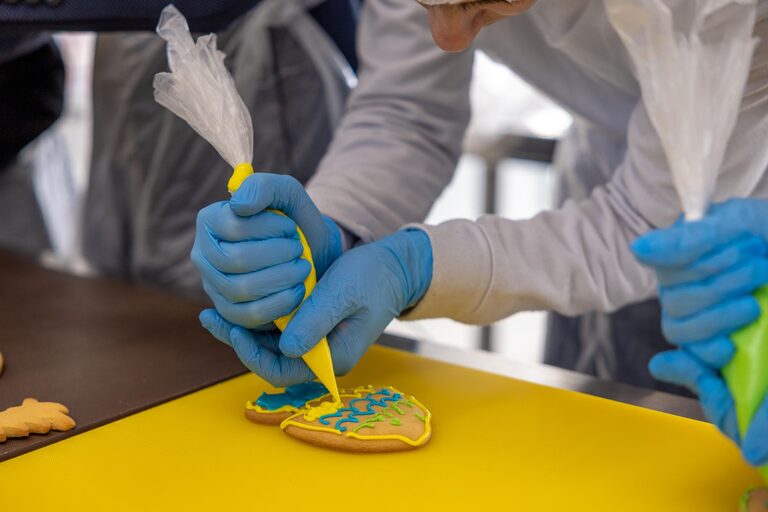
Decorative cookie decorating workshops are turning a simple baked treat into a hands-on creative experience. Instead of only learning how to mix dough or follow a recipe, participants can explore color, texture, design, and presentation while creating cookies they are proud to share.
These workshops are appearing in bakeries, community spaces, cooking schools, craft studios, and private homes. Some focus on seasonal designs, while others teach detailed techniques for birthdays, weddings, holidays, or everyday baking. The format is welcoming to beginners, yet it also gives experienced bakers new ideas to try.
What Makes Cookie Decorating Workshops So Popular?
Cookie decorating workshops combine several activities in one session. Participants bake or receive ready-made cookies, prepare icing, practice simple techniques, and create finished designs. The process is both structured and flexible, making it easy for people with different skill levels to take part.
A typical workshop may include:
– A demonstration by an instructor
– Pre-baked sugar cookies
– Royal icing or other decorating materials
– Piping bags and decorating tips
– Edible sprinkles, pearls, and other toppings
– A box or tray for taking cookies home
– Printed instructions or a recipe card
The appeal also comes from the finished product. Unlike some craft projects, decorated cookies are useful, giftable, and enjoyable to eat. Participants can display them for a short time, package them for friends, or serve them at a special gathering.
A Creative Activity for Every Skill Level
One reason these workshops continue to attract attention is that they do not require advanced baking experience. Many sessions begin with basic techniques, such as outlining a cookie, filling an area with icing, and adding simple details.
Beginners can usually complete designs using a few easy methods:
Flooding
Flooding involves outlining a cookie with thicker icing and then filling the center with a thinner version. Once the icing settles, it creates a smooth surface for additional decoration.
Piping
Piping allows decorators to create lines, dots, borders, lettering, and small shapes. Participants learn how to control pressure and movement to produce consistent results.
Layering
Layering adds details after the base icing has dried or set. This method can create flowers, faces, patterns, and other raised designs.
Using Stencils and Toppers
Stencils, edible images, and pre-made decorations can make detailed designs easier. They are especially useful for themed workshops where participants want polished results without spending hours practicing.
The goal is not perfection. Most instructors encourage participants to develop their own style and enjoy the process. Small variations often make each cookie look unique.
The Growth of Themed Workshops
Many decorators choose a theme to give the class a clear direction. Seasonal workshops are especially popular because they offer designs that match familiar celebrations and changing decorations.
Common themes include:
– Spring flowers and garden shapes
– Summer fruit and picnic designs
– Back-to-school cookies
– Autumn leaves and cozy patterns
– Winter ornaments and snowflakes
– Birthday cakes and party animals
– Cute animals and popular characters
– Simple lettering and monograms
Themed workshops can also make excellent group activities. Friends may attend together, families can work side by side, and businesses or community groups can use the sessions as casual team activities.
Some workshops now offer private sessions where the host chooses the theme, colors, and cookie shapes. This approach is useful for birthdays, showers, reunions, and other small gatherings.
More Than a Baking Class
Traditional baking classes often focus on measurements, ingredients, oven temperatures, and timing. Decorating workshops may include some of these topics, but their main purpose is creative expression.
Participants learn how small changes affect the final appearance. They may compare icing consistencies, test color combinations, or arrange decorations to create balance. These simple design decisions introduce ideas related to composition and visual planning without making the activity feel like a formal art lesson.
The hands-on format also encourages people to slow down and focus on one task. Preparing a cookie design requires patience, but the activity is usually relaxed and social. Conversations naturally develop while participants wait for icing to dry or compare their finished creations.
How to Choose the Right Workshop
With more options available, it helps to consider a few details before booking a session.
Check the Skill Level
Read the workshop description to see whether it is designed for beginners, intermediate decorators, or advanced participants. A beginner session may cover basic icing control, while an advanced class may focus on intricate flowers, painted details, or complex character designs.
Review What Is Included
Some classes provide all ingredients and tools, while others ask participants to bring supplies. Confirm whether the price includes cookies, icing, decorations, packaging, and take-home materials.
Consider the Session Length
A short class may focus on three or four cookies and a few techniques. Longer sessions can include baking, icing preparation, and more detailed designs. Choose a length that suits your schedule and attention span.
Look at the Cookie Style
Cookie shapes and icing methods vary from one instructor to another. Browse sample images when available to find a style that matches your interests.
Ask About Group Size
Smaller groups may offer more individual guidance. Larger sessions can feel lively and social, but participants may receive less one-on-one instruction.
The Rise of At-Home Decorating Kits
Not everyone can attend an in-person class, so at-home decorating kits have become another part of the trend. These kits may include pre-baked cookies, prepared icing, decorating bags, instructions, and toppings.
At-home kits offer flexibility. Participants can decorate at their own pace and repeat the activity whenever they like. They can also be a convenient option for families with young children or groups that live in different locations.
Some instructors support these kits with online demonstrations or short video lessons. This combination allows participants to learn the basic techniques before beginning and revisit a step whenever needed.
Making Workshops More Sustainable
Decorative cookie decorating can be a low-waste activity when organizers plan carefully. Reusable tools, washable piping tips, and appropriately sized packaging can help reduce unnecessary materials.
Participants can also make thoughtful choices by:
– Using reusable containers for tools
– Saving extra decorations for future projects
– Planning cookie quantities carefully
– Choosing recyclable or reusable packaging
– Sharing leftover ingredients when appropriate
These small steps make the workshop more efficient without taking away from the creative experience.
What to Expect at Your First Class
First-time participants should expect a little experimentation. Icing may not flow perfectly at the beginning, and colors may look different once they dry. This is a normal part of learning.
It can help to:
– Wear comfortable clothing
– Keep long hair tied back
– Listen to the instructor’s demonstration
– Practice pressure control before decorating
– Leave enough time for icing to set
– Bring a container if take-home packaging is not provided
Most importantly, approach the workshop as a creative activity rather than a test. A cookie with an uneven line or unexpected color can still be charming and delicious.
A Sweet Way to Learn and Connect
The new wave of decorative cookie decorating workshops reflects a broader interest in practical, creative activities. These sessions bring together baking, design, and social connection in a format that is approachable for nearly everyone.
Whether you want to learn a new skill, prepare treats for a celebration, or spend time with friends, a cookie decorating workshop offers a simple place to begin. With a few tools, some icing, and a little imagination, an ordinary cookie can become a small edible work of art.