
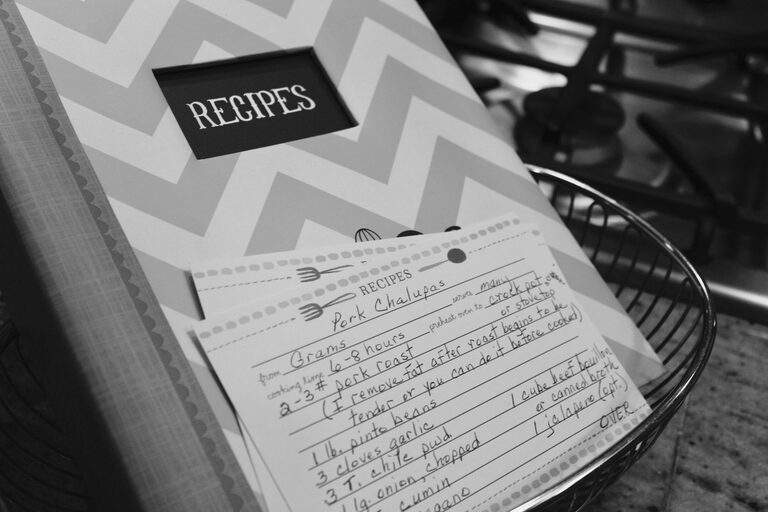
Handwritten recipe cards are more than cooking instructions. They can capture a person’s handwriting, favorite ingredients, kitchen habits, and memories from a particular time. A small collection may begin with one recipe from a relative and grow into a treasured record of family traditions, local dishes, and personal favorites.
Starting a handwritten recipe card collection does not require rare recipes or expensive supplies. With a clear plan and a little care, you can create a collection that is easy to use, protect, and share.
Decide What You Want to Collect
Before gathering cards, think about the purpose of your collection. Your goal will help guide what you keep and how you organize it.
You might collect:
– Recipes written by family members
– Favorite recipes from friends
– Vintage cards found at flea markets or estate sales
– Recipes from community cookbooks
– Notes exchanged between generations
– Your own handwritten recipes
– Cards connected to holidays, celebrations, or special places
Some collectors focus on a specific theme, such as baking, regional cooking, or holiday meals. Others prefer a broad collection that reflects their family and personal experiences.
There is no right or wrong approach. The most valuable cards are often the ones that have a story behind them.
Start With Family and Friends
The easiest way to find meaningful recipe cards is to ask people you know. Reach out to parents, grandparents, aunts, uncles, neighbors, and longtime friends. They may have recipe boxes, notebooks, or loose cards tucked into kitchen drawers.
When asking for recipes, explain that you are building a collection to preserve cooking memories. People may be more willing to share when they understand that the project is personal rather than commercial.
Ask questions such as:
– Who wrote this recipe?
– Where did it come from?
– When was it usually prepared?
– Is it connected to a holiday or family event?
– Are there any special steps that are not written down?
– Do you know how old the card is?
Write these details down while the information is fresh. A short note about the recipe’s background can be just as meaningful as the recipe itself.
If someone does not want to give away an original card, ask permission to scan or photograph it. You can also make a handwritten copy and return the original.
Look for Cards in Unexpected Places
Recipe cards can turn up in many locations beyond family kitchens. Consider checking:
– Estate sales
– Thrift stores
– Antique shops
– Community yard sales
– Used bookstores
– Church or school fundraisers
– Online marketplaces
– Local historical groups
– Community cookbook exchanges
When buying older cards, look for clues that make them interesting. Handwriting, stains, ingredient substitutions, dates, and notes in the margins can all add character.
You do not need to collect only old or unusual cards. A newly written card from a friend may become just as important over time. Focus on the connection and story rather than age or appearance.
Choose the Right Storage Supplies
Recipe cards are often handled near food, water, heat, and spills, so proper storage is important. Choose supplies that protect the cards without making them difficult to access.
Useful options include:
– Archival recipe boxes
– Acid-free card sleeves
– Photo-safe binders
– Clear protective pages
– Index dividers
– Archival labels
– Soft pencils for notes
– A sturdy storage container
Avoid storing valuable cards in damp areas, direct sunlight, or places with large temperature changes. A dry shelf away from the stove is usually a better choice than a kitchen counter.
If you use plastic sleeves, choose products labeled acid-free or archival safe. Some plastics can become sticky or damage paper over time.
Organize the Collection
An organized collection is easier to enjoy and maintain. You can sort cards in a way that matches how you plan to use them.
Common categories include:
– Appetizers
– Soups and salads
– Main dishes
– Side dishes
– Breads
– Desserts
– Drinks
– Holiday recipes
– Family recipes
– Recipes to try
You can also organize the cards by writer, location, or date. If a recipe fits more than one category, choose one main location and add a note in your index.
Create a simple inventory as your collection grows. Record the recipe name, writer, source, category, and any important notes. A notebook or spreadsheet can work well for this purpose.
Handle Cards Carefully
Many handwritten cards are fragile, especially if they are old or have been stored in busy kitchens. Handle them with clean, dry hands and avoid folding or bending them.
When reading a delicate card, place it on a clean, flat surface. Do not use paper clips, rubber bands, or adhesive tape, as these can leave marks or cause damage.
If a card has crumbs or loose dirt, gently brush it with a soft, dry brush. Avoid using water or household cleaners. Even a small amount of moisture can blur ink or weaken paper.
For cards with serious damage, consider consulting a paper conservation professional before attempting repairs. Simple repairs made with ordinary tape or glue can make future preservation more difficult.
Make Digital Copies
Digital copies provide a useful backup and make it easier to share recipes with relatives. Scan each card when possible. If you use a phone, place the card on a flat, evenly lit surface and take a clear photo from directly above.
Save files with descriptive names, such as:
– Grandma Smith apple pie
– Holiday sugar cookies
– Aunt Lee vegetable soup
Store copies in at least two places, such as a computer and an external drive or secure online storage. Keep the original cards protected even after digitizing them.
You can also create a digital index with the file name, recipe category, writer, and source. This makes it easier to find a card without handling every original.
Record the Story Behind Each Recipe
A recipe card becomes more valuable when its background is preserved. Add a short note about who wrote it and why it matters.
For example, you might record:
– The first time your family prepared the dish
– A celebration where it was served
– A change someone made to the original recipe
– A nickname for the dish
– A memory connected to the handwriting
– The region or country where the recipe came from
If you are collecting cards from relatives, consider recording a short conversation with their permission. Ask them to describe the recipe in their own words. These stories can become an important part of the collection.
Use the Recipes, Too
A collection should not remain hidden in a box. Choose a few cards to prepare throughout the year. Cooking from an original card can help you understand old instructions and notice details that a digital copy may not show.
Before cooking, make a working copy or place the original inside a clear sleeve. This helps protect it from spills and stains.
After trying a recipe, add your own notes to a separate copy. Record changes such as cooking time, serving size, or ingredient substitutions. Keep the original untouched whenever possible.
You may also invite family members or friends to choose a card and prepare it together. This turns the collection into a shared activity rather than a display item.
Share and Continue the Collection
As your collection develops, decide how you want to share it. You could create a small family cookbook, give digital copies to relatives, or display a few cards in a frame.
If you plan to reproduce someone else’s writing or recipe, ask for permission when appropriate. Keep personal information private, especially if the collection will be posted online.
Most importantly, leave room for the collection to grow. Add new recipes written by current family members and friends. Include cards from everyday meals, not only special occasions. Over time, these ordinary entries may become some of the most interesting records.
A handwritten recipe card collection is built slowly, one card and one story at a time. With thoughtful organization and careful storage, it can preserve both recipes and the people who made them meaningful.